KNOWLEDGE
Smart, Sustainable, and Human-Centric Lighting Redefines the Modern Market
13 Oct 2026 · 16 min read
As the global push for carbon neutrality accelerates and intelligent technologies mature, LED lighting has evolved into an ecosystem combining energy efficiency, intelligent control and human-centric design.
As the global push for carbon neutrality accelerates and intelligent technologies mature, the LED lighting industry is undergoing a profound transformation. No longer a simple substitute for traditional light sources, LED lighting has evolved into a comprehensive ecosystem that combines energy efficiency, intelligent control, human-centric design, and seamless integration with modern architecture. This article explores the latest developments, technological breakthroughs, and market trends shaping the LED lighting sector.
1. The rise of smart lighting: connectivity as the new standard
The most significant shift in the LED industry is the rapid integration of IoT technology. Smart lighting systems now support wireless protocols such as Zigbee, Wi-Fi, Bluetooth Mesh, and Matter, allowing fixtures to be controlled through mobile apps, voice assistants, and centralized building management platforms. A single smart luminaire can now adjust brightness, color temperature, and even beam angle based on occupancy, ambient light, or user preference.
In commercial and industrial settings, smart lighting delivers tangible benefits. Sensors integrated into LED panels detect human presence and daylight levels, automatically dimming or switching off lights in unoccupied areas. Adaptive systems of this kind can reduce lighting energy consumption substantially compared with conventional installations, which is particularly attractive for warehouse operators, office managers, and facility owners who view lighting as a significant operating cost.
2. Human-centric lighting: beyond illumination
Another major trend is human-centric lighting, which prioritizes the physiological and psychological well-being of occupants. By precisely tuning color temperature and light intensity throughout the day, these systems mimic the natural progression of daylight. Cool, bright light in the morning promotes alertness and productivity, while warm, dim light in the evening supports restful sleep.
This concept has found strong application in offices, schools, healthcare facilities, and senior living communities. Research published in lighting science journals suggests that properly designed circadian lighting can improve concentration and reduce eye strain. As awareness of healthier light grows among both B2B buyers and end consumers, human-centric LED products are becoming a key differentiator for forward-looking manufacturers.
3. Energy efficiency and regulatory drivers
Global energy regulations continue to tighten, compelling manufacturers to push the boundaries of luminous efficacy. Modern high-end LED chips now achieve efficacy levels exceeding 200 lumens per watt, far surpassing the performance of fluorescent and metal-halide lamps. Governments in Europe, North America, and Asia have phased out inefficient legacy lamps, creating a massive replacement market.
Beyond simply replacing lamps, whole-fixture optimization is gaining attention. Improved thermal management, advanced optical design, and high-quality drivers allow complete luminaires to achieve better overall system efficiency. Additionally, the adoption of full-spectrum LED chips with high color rendering index ensures that energy savings do not compromise visual quality, an essential consideration for retail displays, art galleries, and food markets.
4. Sustainable materials and circular design
Sustainability now extends beyond energy consumption to the full product lifecycle. Leading manufacturers are adopting aluminum housings with high recyclability, mercury-free components, and reduced plastic usage. Modular designs allow drivers and LED modules to be replaced on-site, extending product lifespan and reducing electronic waste. Some brands now offer product take-back programs, reflecting a growing commitment to the circular economy.
This shift is also visible in packaging and logistics. Lightweight, standardized packaging reduces shipping emissions, while digital product passports provide transparency about material composition and recyclability — an increasingly important factor for environmentally conscious procurement teams and green building certification programs such as LEED and BREEAM.
5. Advanced optics and application-specific solutions
The sophistication of LED optics has opened new possibilities across diverse applications. In architectural lighting, precision optical systems enable sharp beam control, eliminating glare while creating dramatic accent effects. Tunable white technology allows designers to adjust color temperature from 2700K to 6500K, offering design flexibility for hotels, restaurants, and residential interiors.
Specialized products continue to emerge for niche markets. UV-C disinfection luminaires are being deployed in hospitals, schools, and public transit to support hygiene protocols. Horticultural LED systems deliver optimized light spectra for greenhouse and vertical farming, improving crop yields while reducing energy input. Meanwhile, emergency lighting and explosion-proof fixtures are being redesigned for higher reliability in safety-critical environments.
6. Li-Fi and communication-enabled lighting
An exciting frontier is Light Fidelity (Li-Fi), a technology that transmits data through modulated light beams. Since LED fixtures inherently switch at high frequencies, they can be repurposed as wireless communication transmitters. Li-Fi offers advantages in environments where radio frequency signals are restricted, such as hospitals, aircraft cabins, and industrial facilities. While still in early commercial stages, Li-Fi represents a compelling convergence of lighting and digital infrastructure.
7. Digital retail and customization
The e-commerce revolution has transformed how LED products are marketed and sold. Online platforms offer extensive catalogs with detailed specifications, photometric data, and augmented reality tools that let customers visualize fixtures in their own spaces. Digital showrooms and 3D rendering enable B2B buyers to preview lighting designs before committing to large orders.
Customization has also become a competitive advantage. Manufacturers now offer bespoke color finishes, housing sizes, driver options, and light distribution patterns, allowing projects to achieve unique identities. Shorter production lead times and flexible minimum order quantities enable smaller projects to access tailored solutions previously reserved for large-scale developments.
8. Supply chain and manufacturing innovation
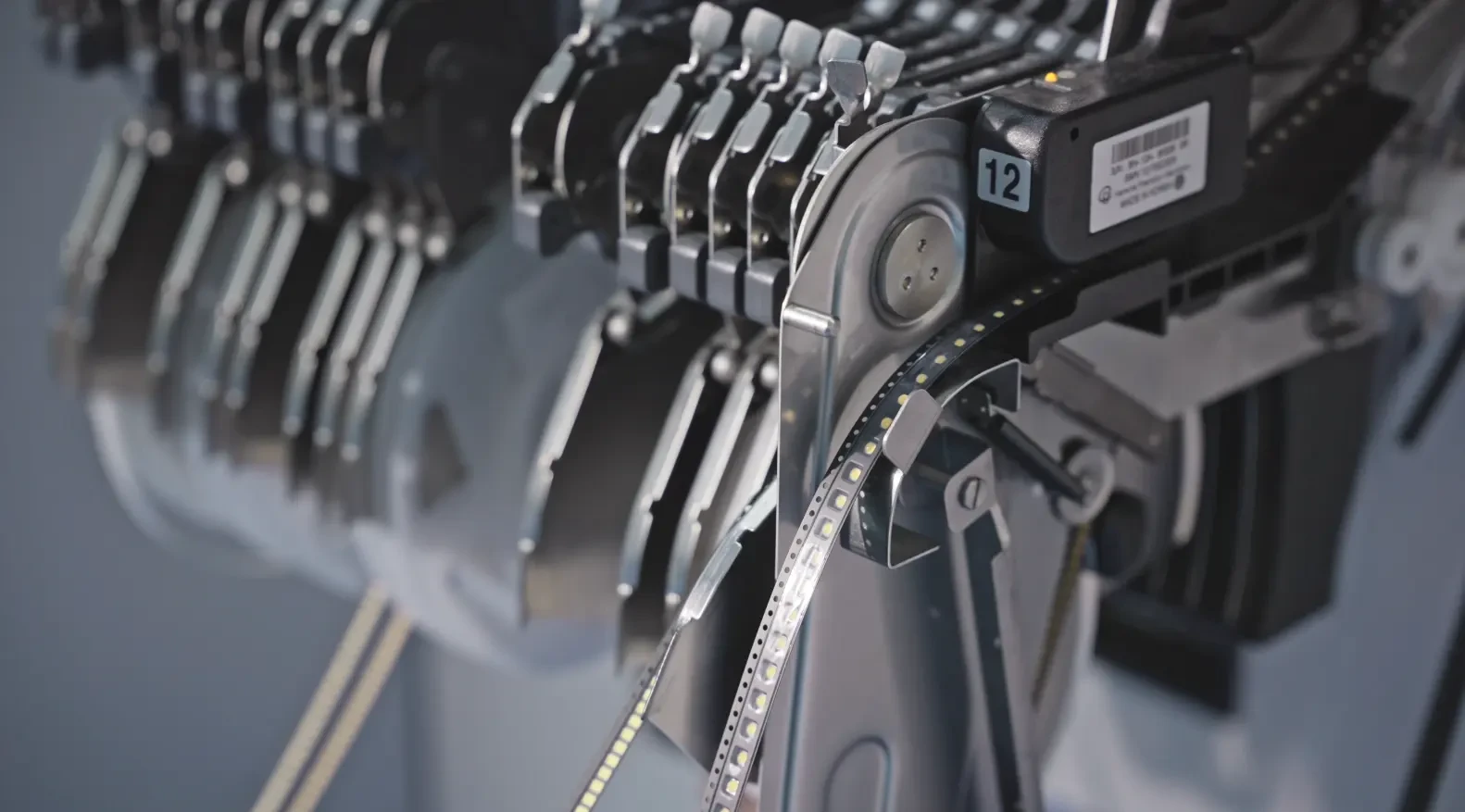
The industry is witnessing significant investment in advanced manufacturing. Automated assembly lines, robotic inspection, and digital quality control systems ensure consistent product reliability at scale. Some facilities now operate lights-out production, where machinery runs around the clock with minimal human intervention, reducing costs while improving precision.
Supply chain resilience has become a strategic priority. Following recent global disruptions, manufacturers are diversifying their component sourcing, maintaining strategic inventories, and building redundant production capacity. The integration of chip design, die casting, driver production, and final assembly under one roof shortens development cycles and improves quality control.
9. Case study: the modern residential solution
A good example of these trends is the modern residential LED family from forward-looking manufacturers. Take a typical smart ceiling light: equipped with a tunable white module, it smoothly transitions from cool daylight (5000K) to warm tones (3000K) throughout the day. Built-in motion and light sensors automatically adjust output, saving energy without sacrificing comfort. Remote control through a smartphone app allows users to schedule scenes, such as a reading mode or night light for children's rooms.
In kitchen and bathroom settings, damp-rated LED downlights with high CRI deliver crisp, accurate illumination for food preparation and grooming. Outdoor landscape lighting integrates photocell sensors that automatically activate at dusk, providing safety and ambiance while minimizing wasted energy. These products illustrate how advanced technology is now accessible at consumer-friendly price points, accelerating adoption in homes worldwide.
10. Market outlook and future directions
Looking ahead, the global LED lighting market is projected to grow steadily, driven by urbanization, infrastructure modernization, and the electrification of developing regions. Analysts anticipate continued innovation in several key areas: higher efficacy and longer lifetimes, deeper integration with building automation and smart city platforms, and greater emphasis on lighting as a service, where customers pay for illumination outcomes rather than hardware.
Artificial intelligence is expected to play an expanding role. Machine learning algorithms can analyze occupancy patterns and environmental data to continuously optimize lighting schedules. Predictive maintenance systems can alert facility managers before a driver failure occurs, minimizing downtime. Together, these capabilities will make lighting an intelligent, self-managing component of the built environment.
Conclusion
The LED lighting industry stands at an exciting crossroads. Energy efficiency remains the foundation, but the value proposition has expanded dramatically to encompass intelligence, health, sustainability, and experience. For manufacturers, distributors, and end users alike, staying informed about these developments is essential to making smart purchasing and investment decisions.
Whether a homeowner seeking a more comfortable living space, a facility manager aiming to cut operational costs, or a lighting designer crafting architectural experiences, the current generation of LED technology offers broad possibilities. As the industry continues to innovate, one thing is certain: the future of lighting is efficient, intelligent, and human-centric.
Key points
- Connectivity — Zigbee, Bluetooth Mesh, Matter — is becoming standard in new commercial fit-outs.
- Human-centric lighting shifts the brief from lux levels to circadian comfort.
- Circular design, modular replacement and high efficacy now drive specification together.
Planning a lighting scheme and want a second opinion? Send us the drawings.
Start a ProjectMore in KNOWLEDGE
Green Transition and Customized Solutions Fuel Global Export Growth
The worldwide LED lighting sector continues its robust expansion, driven by global carbon reduction targets, infrastructure renewal and rising demand for customized lighting solutions from international buyers.
Cost Optimization & Application Expansion Reshape Global Lighting Industry
The global LED lighting industry continues to evolve amid shifting raw material costs, tightening green policies and diversified market demands, with scene-based products becoming the main growth engine.