
TECHNICAL ARTICLES
Reading a downlight specification: the numbers that matter
18 Sept 2026 · 7 min read
Beam angle, lumen output, CRI and glare control explained, so you can compare fixtures on the same basis before a sample is ordered.
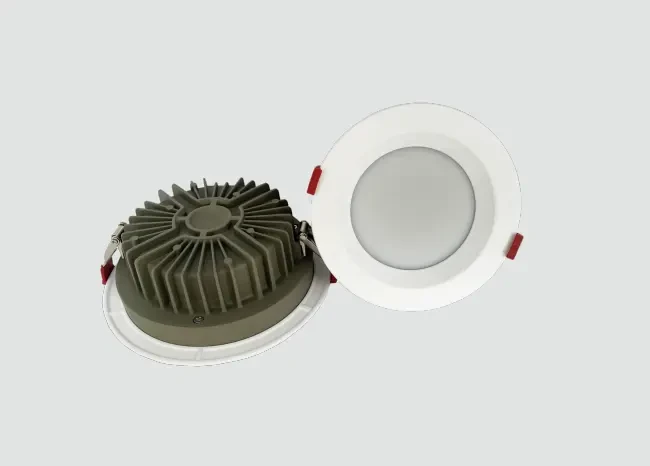
Two downlights with the same wattage can produce completely different results. The specification sheet is only useful if the numbers are read in the right order: light output, distribution, colour quality, then glare.
Output is two numbers, not one
Lumen output tells you how much light leaves the fixture; lumen output at the beam tells you how much arrives where it is aimed. For accent positions the second number matters more, because a wide flood spreads the same light over a larger area.
Colour quality: CRI plus R9
CRI above 90 is the baseline for residential and retail interiors. R9, the red rendering index, is the number that decides whether wood, skin and fabric keep their warmth, and it is frequently omitted from short-form datasheets.
Glare control is a specification item
Glare control is where cheap fixtures fall short. UGR values below 19 suit offices and screens; for residential ceilings, a recessed depth of 40mm or more plus a matte baffle usually does more for comfort than a lower wattage.
Compare like for like
Before sampling, align the comparison on delivered lumens at the same beam angle, the same CCT bin, and the same dimming method. Only then does the price difference between two fixtures mean anything.
Key points
- Compare fixtures on delivered lumens and beam distribution.
- Ask for R9 alongside CRI, not instead of it.
- Treat glare control as a specification item, not a finish option.
Planning a lighting scheme and want a second opinion? Send us the drawings.
Start a Project